
Developing Howard County (Howard County, Arkansas)
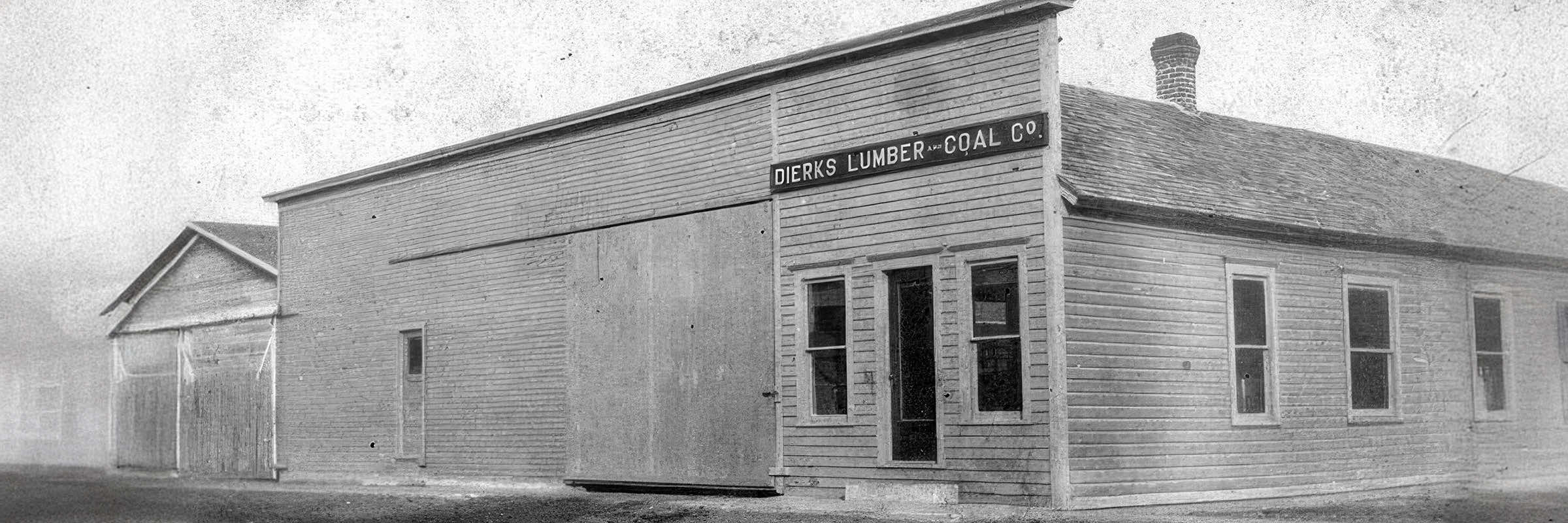
Historic downtown streetscape representing Howard County heritage

History & Heritage

Established on April 17, 1873, and formed from portions of Hempstead, Pike, Polk, and Sevier counties, Howard County developed as a crossroads of farming communities, timber operations, and rail-connected trade. Over time, local institutions, schools, churches, and small businesses helped shape a civic culture centered on self-reliance and neighbor-to-neighbor support. That legacy still informs daily life and long-term planning across Dierks, Mineral Springs, Nashville, and surrounding communities.

A Legacy Built by Community

Howard County’s story is not tied to one single industry or era. The county has moved through periods of agricultural production, timber expansion, rail growth, and later manufacturing, each one leaving a visible mark on local communities. These economic shifts changed how families worked and where businesses clustered, but they also reinforced the importance of local problem-solving and strong civic networks.
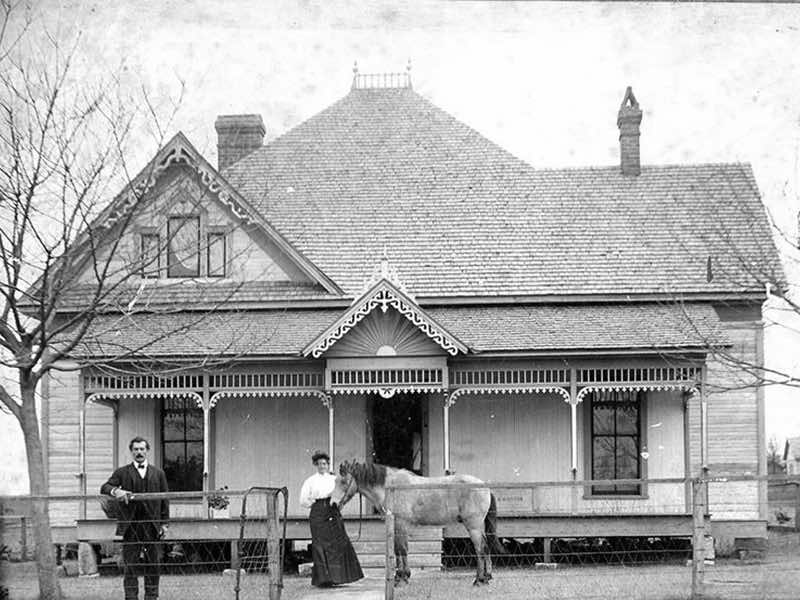
Hester House in Nashville, Arkansas

Public life grew around county institutions, downtown corridors, and community organizations that provided continuity through change. Even as population and employment patterns evolved over the twentieth century, residents continued to invest in shared spaces, local traditions, and regional partnerships. That continuity helps explain why Howard County still balances historic character with a practical, forward-looking approach to growth.

Milestones Through Time

  • 1540s to Early 1800sEarly accounts identify Indigenous communities in this area, followed by gradual frontier-era settlement that established the first long-term community patterns.
  • 1873: Howard County EstablishedState legislation created Howard County from portions of Hempstead, Pike, Polk, and Sevier counties, formalizing local governance and public administration.
  • 1880s-1930s: Rail, Timber, and AgricultureRail access and natural-resource industries broadened market connections, while cotton and peach production contributed to a more diversified rural economy.
  • 1905 to Present: Nashville as County SeatAfter the seat moved from Center Point to Nashville, county functions and business activity increasingly centered there, while outlying communities maintained distinct local identities.